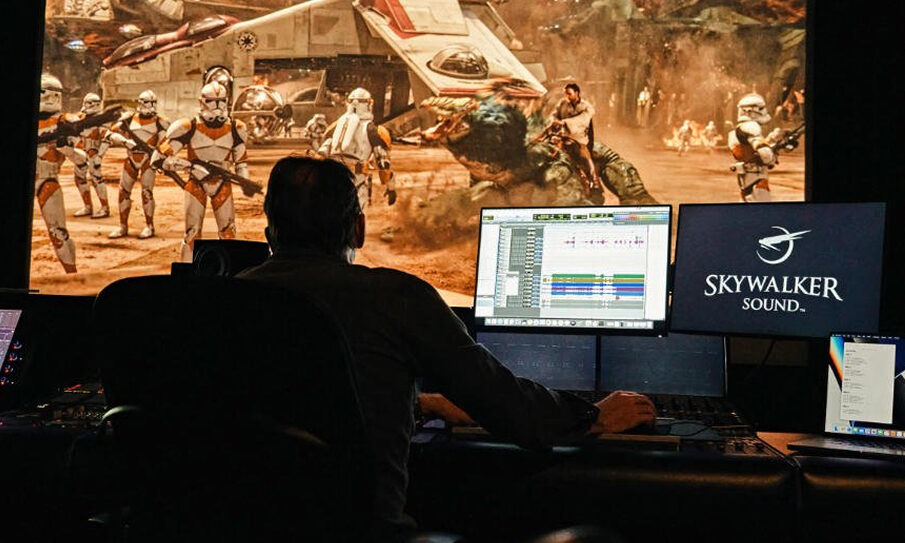
Sonic Storytelling: Go Beyond the Gates of Skywalker Ranch to the Heart of Skywalker Sound
Hidden among rolling hills and redwoods, George Lucas’s visionary retreat redefines what filmmaking can be: a creative refuge where words, music, sounds, and images are shaped to enhance each other.
Just getting here unfolds like a movie scene.
It begins when you turn off a winding, sun-dappled, two-lane road flanked by tall Coastal Redwoods, Black Oak, and Douglas Fir trees. Just ahead: a mossy-green stone wall and a large wooden gate that mysteriously swings itself open.
Clearing security, the winding route continues into a rustic covered bridge. Emerging on the other side into daylight is like a cinematic fade-in from black, transporting you from the ordinary world to the extraordinary.
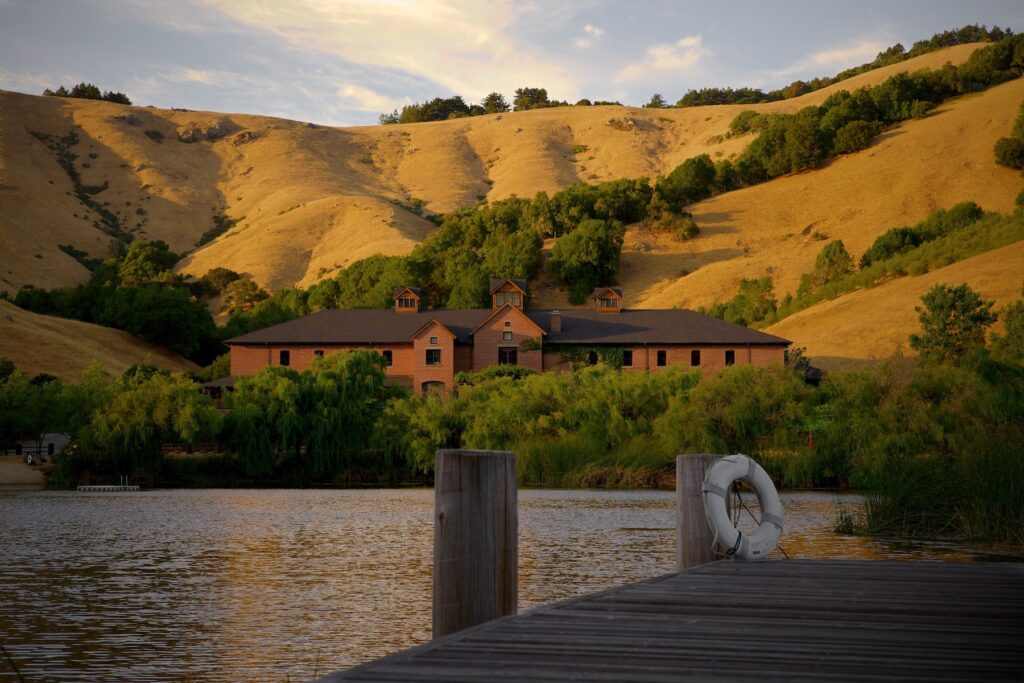
Passing a fruit and vegetable stand and the occasional flock of wild turkeys, the surroundings feel very much like the dairy farm that once operated here. Rounding the last curve, the trees pass by and finally reveal our main character: a large brick winery tucked snugly between rolling green hills, overlooking a tranquil blue lake.
There is no sign that gives any clue to what’s really inside the building, save for one. Above the driveway entrance, a vine-covered metal arch bears three words: “VIANDANTE DEL CIELO.” Translated from Italian, it means “Skywalker.”
But here’s the plot twist. You soon discover that despite a few bricked-up windows, this 1880s-era winery is only about 40 years old, an elegantly crafted facade hiding the most modern and cutting-edge temple to the art of sound and filmmaking ever built.
Welcome to Skywalker Sound.
The industry-leading post-production company founded by George Lucas occupies a picturesque corner of his Skywalker Ranch, a mix of mountains and pastures 40 minutes north of San Francisco that the legendary filmmaker envisioned as a place for creative minds to escape the exhaust fumes and clamor of Hollywood studio backlots.
“In the morning, there’s mist coming up from Ewok Lake, and there’s dew on everything,” says award-winning sound designer and re-recording mixer Bonnie Wild, who started work here in 2012. “It’s kind of crazy-beautiful. It looks like a very well-shot movie, just driving up to it.”
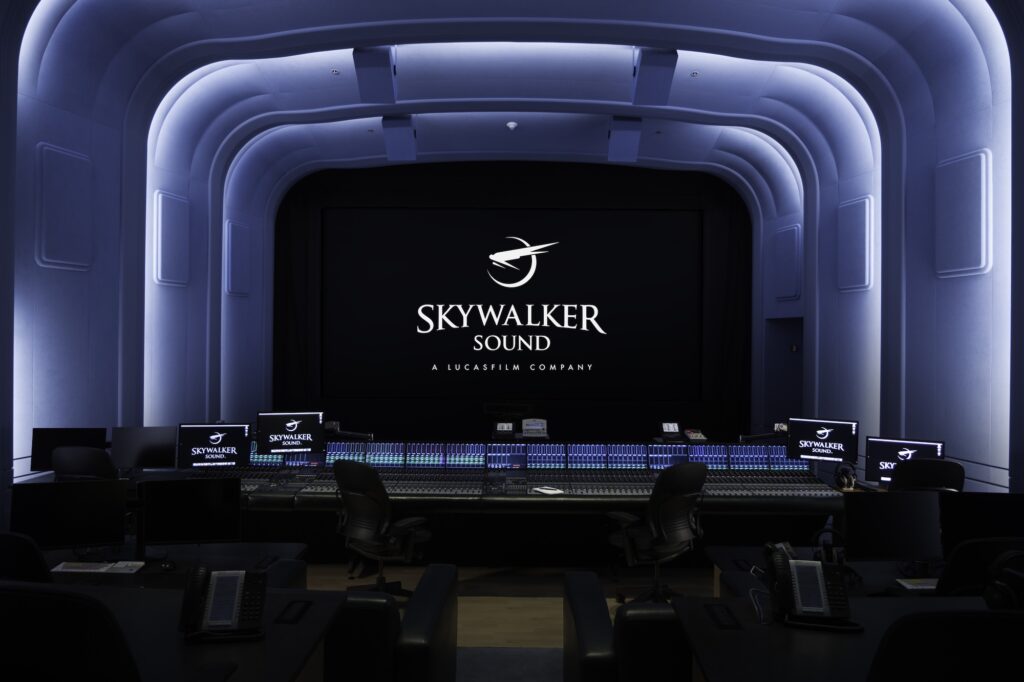
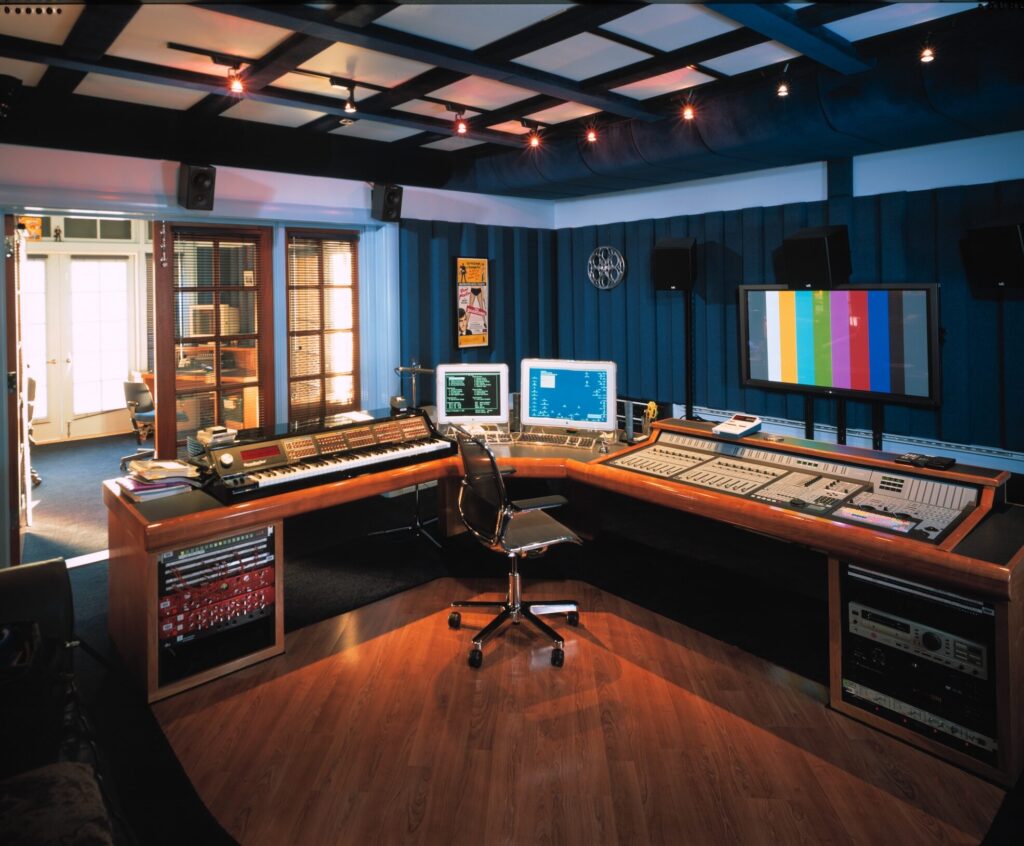
Formally known as the Technical Building, the 153,000-square-foot Skywalker Sound facility features 15 sound design suites, 50 editing suites, 6 feature mix stages, an ADR stage, 2 Foley stages, the 300-seat Stag theater, and a world-class scoring stage.
“George built us this incredible facility that is like nothing else in the world, sitting on this incredibly beautiful Ranch,” says Skywalker Sound senior vice president and general manager Josh Lowden.
Academy Award-winning sound design veteran Gary Rydstrom joined the company in 1983 when it was still known as Sprocket Systems and based in the Lucasfilm offices in a San Rafael, California, industrial park. He remembers coming to work at the Ranch when the company moved to the Tech Building in 1987.
“The experience of driving to the Ranch—the hills, the lake, the nature part of it—was kind of overwhelming. I can’t think of another place in the movie business that combines classic architecture, natural beauty, and cutting-edge technology,” Rydstrom tells SkySound.com.
A Vision of the Future Built on Examples of the Past
George Lucas would spend the 1970s based in San Anselmo, a small town in Marin County near San Francisco. In 1979, Lucasfilm would take on as its Southern California office what was once an egg-shipment warehouse on Lankershim Boulevard in Los Angeles, directly across from Universal Studios, where the company first found success with American Graffiti (1973).
While at the “Egg Company,” Lucas started sketching (on his preferred yellow legal paper) images and ideas for what would eventually become Skywalker Ranch. It was ultimately constructed in 1978 on the Bulltail Ranch property, a 2,500-acre former dairy farm in Marin County, which he had purchased with the proceeds from Star Wars: A New Hope (1977).
It was an idyllic setting for what would eventually become the hub of all things Lucasfilm. But before the first nail could be hammered or beam sawed, plenty of elements needed to be worked out.
Lucas employed TMW Architects and, based on his own detailed concepts, plans were drawn up. To create an authentic Victorian-era house rather than merely mimic one, Lucas and his team set up their own art-glass studio (with stained glass created by local artisan Eric Christensen) and a mill shop that would use recycled wood from existing structures to craft many of the panels on the Ranch. With dashes of Art Nouveau, Mission, and Arts and Crafts, the house was designed to accommodate an eclectic array of styles, spanning late 19th-century and turn-of-the-20th-century approaches to bring life to a Ranch that appeared as if it had been there for decades.
Charles Champlin, author of the 1992 book, George Lucas: The Creative Impulse, explained, “The style of the buildings, their placement on the property, their floor plans, and their detailing, down to the doorknobs and light-switch panels, were all Lucas’s, as was the overall concept for the place: The buildings should intrude upon the tranquil landscape as little as possible, should seem to have belonged to the land for a long time, and should be invisible from the highway the building clusters even out of sight from each other.”
True to form for a mythmaker like Lucas, there was a storyline, as the maker himself explained in The Creative Impulse.
“The histories helped everyone working on the project understand how they could have divergent styles side by side.” As Lucas discussed further in Architectural Digest in 2004, “My taste has always been romantic. I think my heart lies at about the year 1910. I love that style.”
The Ranch’s fictional history is lavish and involved. The Main House was built in 1869, with Gatehouse and Stable House added in 1870. The great brick winery (better known as the Technical Building, home of Skywalker Sound) was built in 1880, then extended and remodeled in Art Moderne style in 1934. A library wing was added to the Main House in 1911, and the Craftsman-style Brook House was built in 1913. The final expansion came in 1915 with a Carriage House. What architect or builder couldn’t help but be inspired by a story like that?
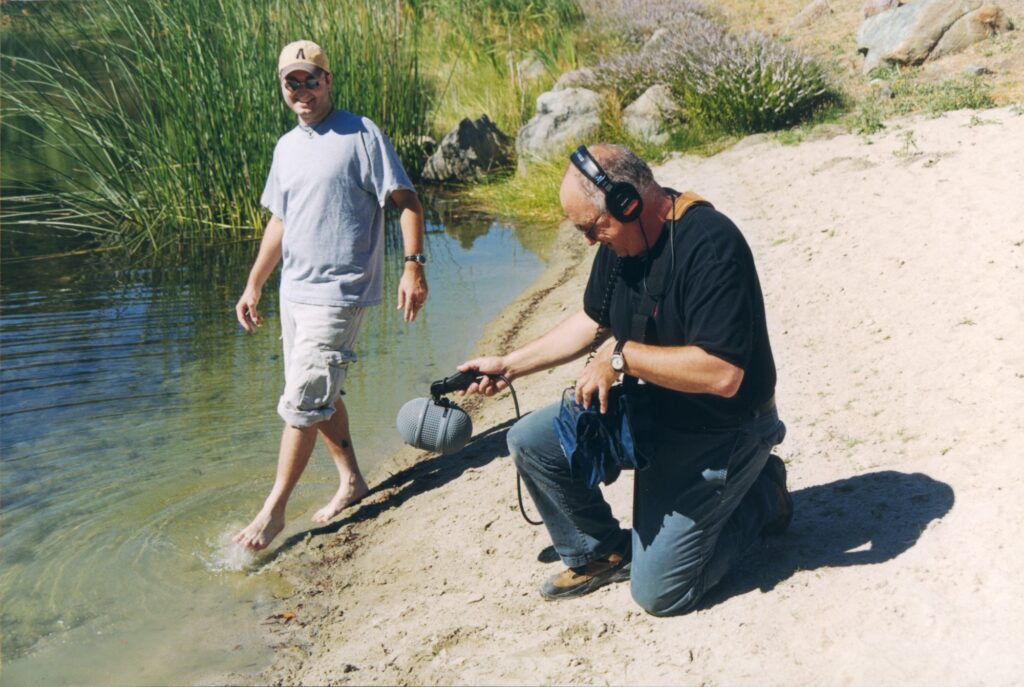
However, before construction had even begun at Skywalker Ranch, a number of notable happenings had already taken place there. The first creatives to work on the Ranch were Ben Burtt, Gary Summers, and Randy Thom. As Thom explains, “George had bought the property in 1978, and Ben, myself, and Gary, who was one of Ben’s assistants, would come out to the Ranch long before any of the new buildings were put up, when it was still basically a dairy. I’m told it had once been the Marin Deer Hunting Club. We would come out and record things. We did a lot of recording of bullet ricochets. There’s a real science to getting a bullet to make that kind of ricochet sound.”
The first Lucasfilm Company Picnic took place on the property in July 1978, starting a tradition that continues to this day. Later, buying a further two adjoining ranches to make a total of nearly 5,000 acres, only five percent of the land could be built on, leaving the rest as an agricultural zone and a natural buffer to the world beyond. Finally completed in 1985, the 50,000-square-foot Victorian-style Main House was the centerpiece. Across the site, there are more than a dozen buildings, including the Inn with its guest accommodations, a health club, a seven-acre olive grove, organic gardens, and lots of animals.
Designed by BAR Architects and completed in 1987, the Technical Building sits a quarter of a mile away from the Main House. Appearing externally as an 1880s winery covered in ivy, the first film project to be sound-mixed at the facility was Francis Ford Coppola’s Tucker: The Man and His Dream (1988).
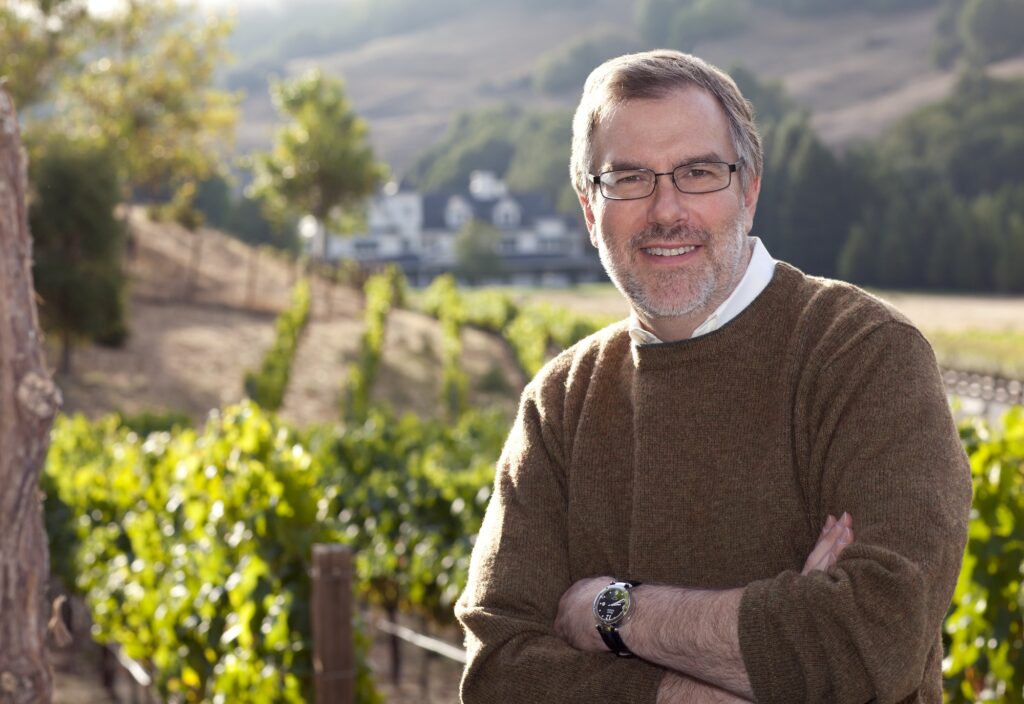
Known as Sprocket Systems (which oversaw all post-production for Lucasfilm, not just sound) until the name change to Skywalker Sound in 1989, the company’s home was C Building at the Kerner facility in nearby San Rafael. With the move to bespoke headquarters at Skywalker Ranch, it was all hands on deck, as Randy Thom explains. “We all contributed ideas. Tomlinson Holman was the person George put in charge of actually getting the Tech Building constructed, where Skywalker Sound was going to be housed, but all of us had ideas about the rooms and how the building might be structured in order to facilitate the work.”
Lucas was determined to create an inspirational workplace for all members of the team, especially those who often toil in darkened rooms, as he explained in The Creative Impulse.
“Editors! In some places, they’re in windowless rooms ten hours a day. Having been an editor, I’ve always thought that was wrong. People need to get out into the light and walk around and hear the birds sing. So this place was designed to give us all a sense that there’s a world outside. Writing and editing have significant creative impact on the final movie. For me, movies are made in the editing rooms. That’s where I do the major part of my creative work, and it’s extremely important to me that there be an atmosphere conducive to solving problems and coming up with good ideas.”
Where the Landscape Shapes the Soundscape
At Skywalker Ranch, technology and nature work hand in hand. The serene surroundings don’t just frame the work being done here; they influence it. For sound designers, mixers, and filmmakers, that sense of calm brings balance to even the most demanding, detail-heavy projects.
“No disrespect to anywhere else I’ve worked, but it’s not as beautiful as the Ranch,” says sound designer and re-recording mixer Bonnie Wild. “When we take lunch and we just walk out into that, it is like a complete reset. If I’m on a stressful project, I can just take a walk around the grounds at lunchtime, and it does reset your brain completely — giving your ears and your eyes a proper rest.”
For Wild, one of her favorite places on the Ranch became special during a walk with Ahsoka (2023) creator Dave Filoni. “There’s this one spot, and Dave made it my favorite spot. When we were doing Ahsoka, one lunchtime, we’d kind of finished, and so we said, ‘Let’s take a walk.’ And Dave, bless him, he was in this reflective mood. We came across that little bridge to where they shot the funeral pyre for Return of the Jedi [1983]. It was drought time and, with his hands on his hips, he was talking about the creek and how the water would flow and then not flow…. And he talked a lot about George and what he’d shot down there, as well as his connection to the land. And how he’d put so much care into sculpting the landscape.”
This quiet rhythm of work and restoration is something new employees and visitors notice immediately. For Randy Thom, today Skywalker Sound’s director of sound design, the experience is unlike any other studio environment in the world. “We always hear the same thing from people who come here to work on projects,” Thom says. “No matter where they are in the world, there really is not another post-production facility like Skywalker Ranch and Skywalker Sound.”
Thom often compares the Ranch to a place where creativity and well-being can coexist, in stark contrast to average sound facilities. “Typically, a sound editor would be in a cell-like room that’s typically 50-60 years old with very little renovation having been done, down a dark hallway in a nondescript building somewhere…. Compare that to coming to Skywalker, which is basically like being at a National Park. It’s an amazing change. I’ve suggested a couple of times that we advertise Skywalker Sound as a spa that also does post-production because in some ways that’s what it’s like.”
And those restorative pauses don’t just clear the mind, they make space for new ideas.
“In the kind of creative work that we do,” Thom explains, “I think it’s almost always helpful every couple of hours to leave the room that you’re in, take a walk, go somewhere that’s completely different from where you’ve been.”
Since the early years, the Ranch’s rolling pastures, lakes, farm, and nearby woodlands have continued to provide an unexpected resource. The bleats of cows have become alien voices, and recordings of restless chickens inspired the Porgs’ calls in Star Wars: The Last Jedi (2017). For writers like Dave Filoni, who carry forward George Lucas’s storytelling legacy, the history woven into these landscapes continues to spark new ideas. Out on the Ranch that George built, the land doesn’t just hold its history; it lives and breathes through the stories still being told, giving creators the space to dream, to listen, and to think.
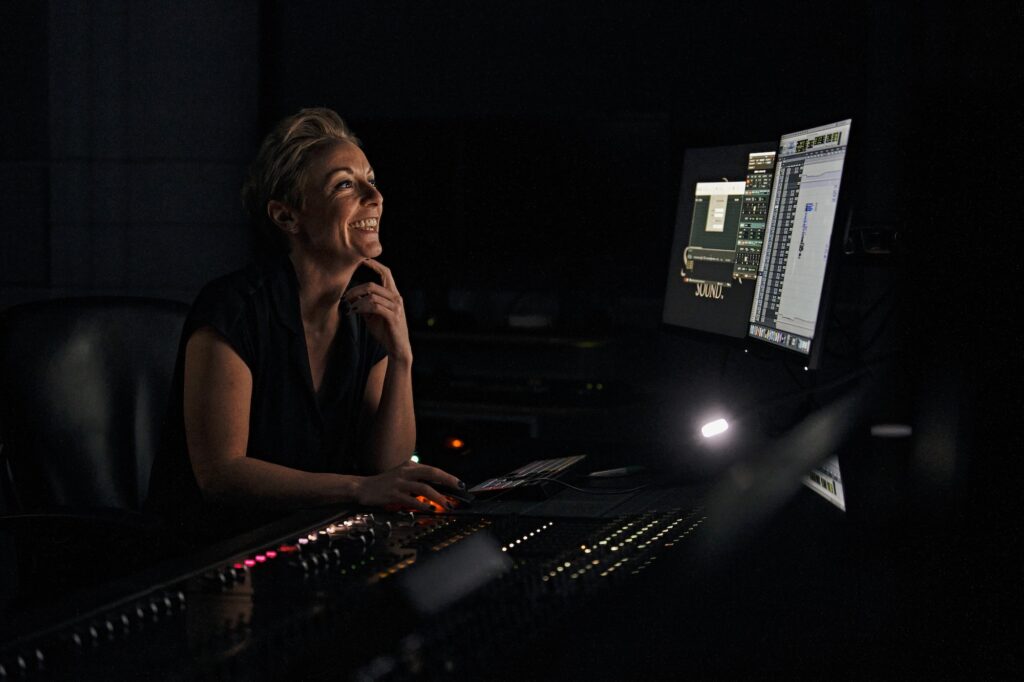
From Redford to Coogler: Collaboration, The Skywalker Way
The Ranch environment also helps foster unique interactions and long-term relationships that can enhance projects on a deeper level.
Gary Rydstrom worked with the late actor-director Robert Redford on several films, including Quiz Show (1994), The Legend of Baggar Vance (2000), and A River Runs Through It (1992), and recalls the cinema legend was fond of exploring Skywalker Ranch during mix sessions.
“He was always out hiking or finding a horse,” chuckles Rydstrom. “Whenever we needed to playback something for him during the mix, we would step to the front of the Tech Building, facing the lake, and use binoculars to see if we could see Robert Redford in the distance on the hills.”
While mixing Quiz Show, Redford was a guest at the Inn at Skywalker Ranch, a 26-room bed-and-breakfast complex featuring suites dedicated to historical figures Lucas admires, including Akira Kurosawa, Dorothy Parker, John Steinbeck, and George Gershwin.
“We’d spend all day working on the film, and we’d go back to the Caretaker’s House with Robert Redford and the writers,” remembers Rydstrom. “We’d have bottles of wine and sit and talk about the history of the film we were doing. What Skywalker Ranch can do is make the creative process social in a way that you get to know your crew. Something about it brings people together. You continue thinking about it, and it makes the work better.”
Another enduring creative partnership began when Randy Thom had a chance encounter with Steve Starkey, a producer (and former Lucasfilm employee) working on a then-upcoming film with director Robert Zemeckis.
“One year at the Lucasfilm Picnic at Skywalker Ranch,” Thom remembers, “Steve walked up to me and said, ‘Bob Zemeckis would like for you to work on his next film. It’s called Forrest Gump.’ And I thought, ‘Well, that’s the strangest name for a film I’ve ever heard.’ Steve had recommended me to him, so that’s how I got hired by Bob. And yeah, we clicked.”
From Forrest Gump (1994) to Here (2024), Thom and Zemeckis have collaborated on over a dozen of the director’s films, plus additional projects Zemeckis produced. “Every director has a different style of working, and Bob’s style is that he’s the opposite of a micromanager. He hires people he thinks are good at what they do,” Thom says.
Bonnie Wild believes that Skysound’s long-running relationships are a key ingredient to a successful production. “[Director David] Fincher has this incredible relationship with [sound designer] Ren Klyce, and you can see that on screen,” Wild says. “You can tell that the sound and picture talk to each other. You can see it and you can feel it. And it makes for this incredible experience for the audience.”
Completing a film at Skywalker Ranch isn’t strictly for big-budget, A-list productions. Up-and-coming independent feature and documentary filmmakers have received the same A-list treatment through collaborative programs like the Sundance Institute’s Film Music Program and Sound Design Lab.
Filmmaker Ryan Coogler first came to the attention of the Sundance Institute in 2011, while developing his debut feature-length film, Fruitvale Station (2013). Soon after, Sundance introduced Coogler to the Skywalker Sound team, with supervising sound editor and re-recording mixer Bob Edwards and re-recording mixer Zach Edwards helping bring the writer-director’s sonic vision to life.
Fruitvale Station was just the beginning of an ongoing creative collaboration between Skysound and the critically acclaimed director, including Creed (2015), Black Panther (2018), Black Panther: Wakanda Forever (2022), and most recently, Sinners (2025).
Screens and Strings: The Skywalker Sound Scoring Stage
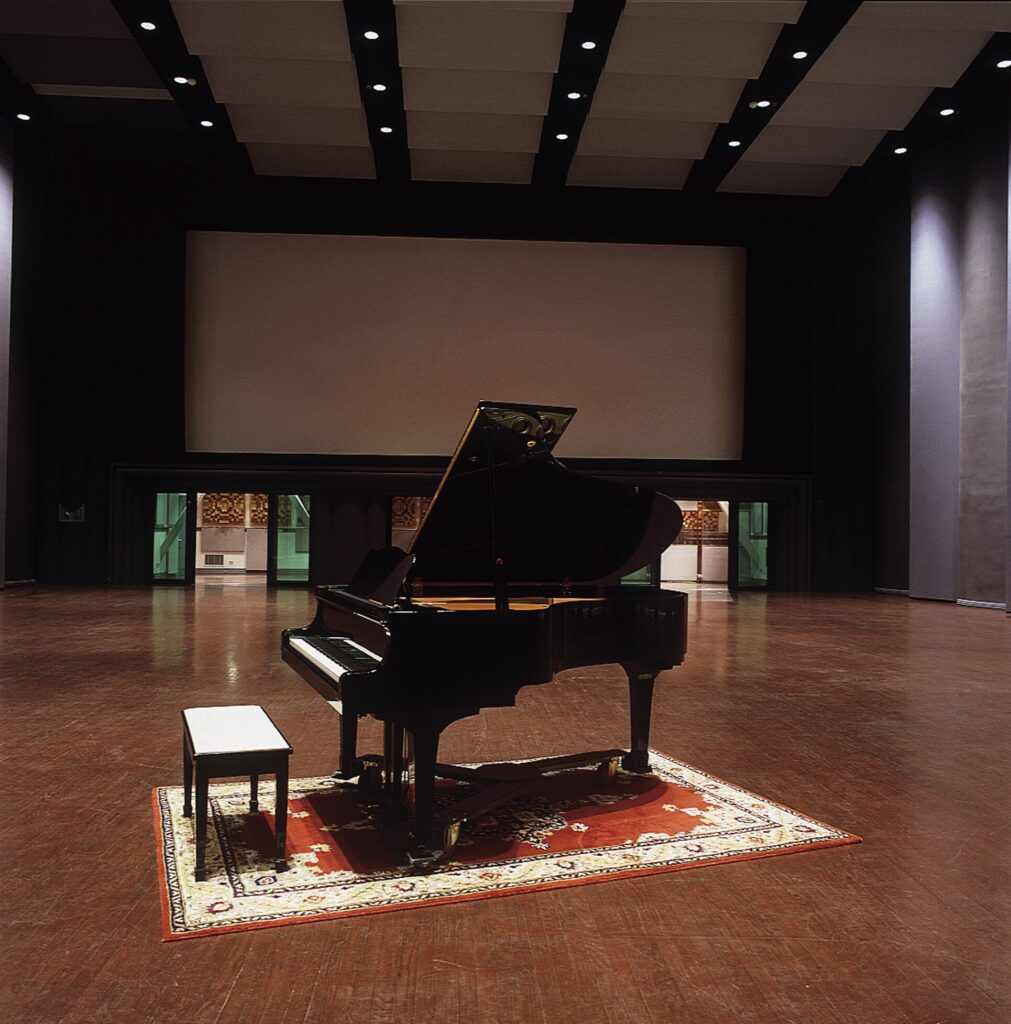
From cinematic soundscapes to iconic musical performances, the Tech Building’s scoring stage bridges both worlds.
“Anybody can have the same equipment we have, but it’s not about what you have, it’s how you use it,” said Leslie Ann Jones, a multiple Grammy Award-winner and Skywalker Sound’s director of music and scoring. “At Skywalker Sound, mixers and sound designers and recording engineers take the creativity and equipment and use it in a way that advances the film or the score or the recording.”
Hundreds of artists and musicians have graced the stage, including Grammy Award-winning singer Linda Ronstadt, San Francisco rockers Third Eye Blind, and guitar virtuoso Joe Satriani. Over the years, music for dozens of films, video games, TV shows, and documentaries has been captured here in pristine quality. Recently, actor and singer Seth McFarlane chose Skywalker Sound to record his 2025 album Lush Life: The Lost Sinatra Arrangements.
Measuring 60 feet by 80 feet, the stage easily accommodates everything from a string quartet to a 125-piece orchestra. Large, movable acoustic panels rise from the floor to the 30-foot ceiling, allowing engineers to precisely adjust the reverberation time from 0.6 to 3 seconds. Three twelve-by-twelve isolation rooms and a fourth isolation booth provide additional creative flexibility.
Celebrated composer John Williams conducted a symphony here for a 1990 rerecording of the Star Wars original trilogy soundtracks. He returned to the Ranch to create the score for Jurassic Park (1993).
“He had a room at Skywalker, in the Tech Building, when he was composing Jurassic Park,” Gary Rydstrom says. “And I was in the same building trying to come up with dinosaur vocals. And that was great because he could see what I was doing and then maybe incorporate that thinking into what he was doing with the music.”
Breakfast Brainstorming
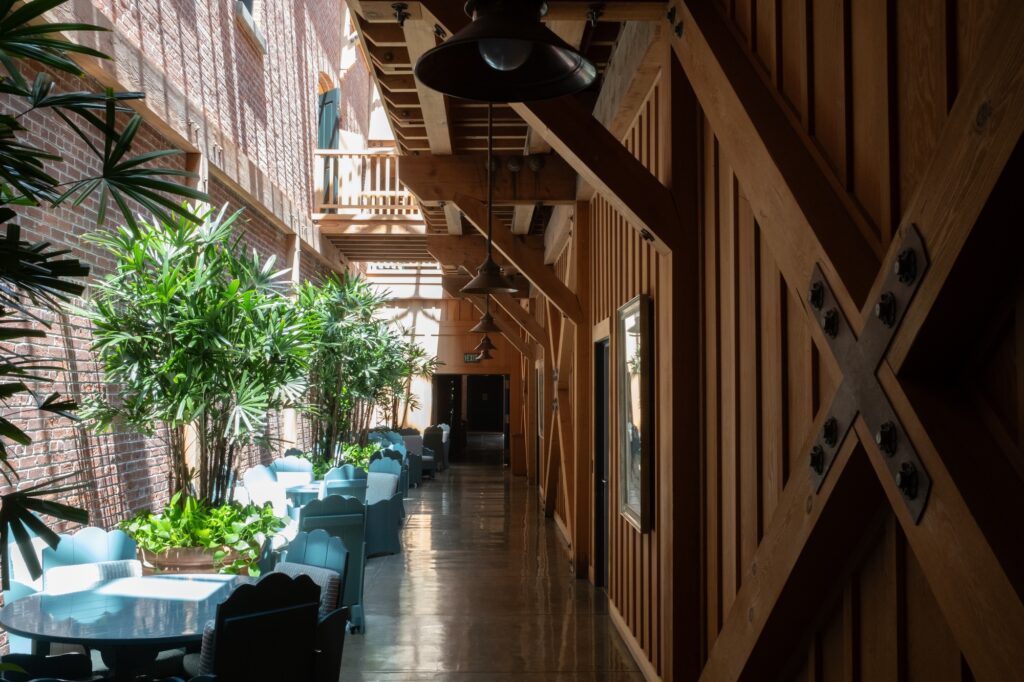
With artists busy at work on mixing stages and in edit rooms, the Tech Building hallways can sometimes seem deceptively quiet. Walk through the doors during breakfast time; however, and it’s a different scene altogether. In the restaurant, a massive skylight two stories above bathes the brick and wood atrium in natural light, the perfect setting where sound professionals of all experience levels convene to share meals and ideas.
“The breakfast has turned into a cross-generational gathering that gets people off on a good foot,” explains Rydstrom. “I love being able to hear what someone’s doing, and give some thoughts.”
Even for Skysound veterans, the spirit of camaraderie at breakfast means opportunities to compare notes about their craft. “There’s always shop talk,” Bonnie Wild says. “And what is great is that you can ask questions about other projects. Like when Al Nelson was doing F1 [2025], we were just having this conversation about his process and all the cool things that were happening.”
Rydstrom says breakfast occasionally attracts distinguished Skysound alumni, like retired Foley artist John Roesch. Retired supervising sound editor Richard Hymns, an Academy Award-winner for Saving Private Ryan (1998), Jurassic Park, and Indiana Jones and the Last Crusade (1989), also drops in. “I’m sure he sits at a table and all these young people gather around him like Yoda,” Rydstrom laughs. “It’s great.”
For Wild, the mentorship atmosphere that permeates Skywalker Sound means she’s always learning something new. “In 40 years, when I’m 85, hunched over the console,” she says, “hopefully, I’ll still be learning from the 95-year-old next to me.”
A Finale…Still Being Written
At Skywalker Ranch, every filmmaker who drives through the main gate adds a new scene to a story that began half a century ago. George Lucas imagined this place as more than a studio — a creative sanctuary where storytellers could unplug from the world’s distractions, surrounded by nature, art, and collaboration. Five decades later, that story is still unfolding, one frame — and one sound — at a time.
“The Ranch is a place where George always imagined that a community of filmmakers would be finishing their movies,” says Josh Lowden.
Dozens of posters on the wall are a rich reminder of how many filmmakers have come here to shape and complete their stories within the walls of the Tech Building. “You can see the titles of all the projects that came before,” adds Lowden, “and know that other directors sat in the same seat.”
From the beginning, Skywalker Sound was conceived as a complete creative ecosystem: providing scoring, mixing, Foley, and post-production across any medium. That blueprint still holds true today, evolving with new technology and creative visions.
“That kind of community and trust,” Lowden says, “creates an environment where people can do their best work among other professionals who share a distinct passion for this particular art form.”
The story of Skywalker Sound hums, breathes, and grows with every project that passes through its halls. And as long as there are stories to be told and filmmakers chasing that perfect sound, this Ranch among the hills will keep doing what it was created to do: listen, imagine, and make movie magic sing.
—
Jamie Benning is a filmmaker, author, and podcaster with a lifelong passion for sci-fi and fantasy cinema. He hosts The Filmumentaries Podcast, featuring twice-monthly interviews with behind-the-scenes artists. Visit Filmumentaries.com or find him on X (@jamieswb) and @filmumentaries on Threads, Instagram, Facebook, and YouTube.
Mark Newbold has contributed to Star Wars Insider magazine since 2006, is a 4-time Star Wars Celebration stage host, avid podcaster, and the Editor-in-Chief of FanthaTracks.com. Online since 1996. You can find this Hoopy frood online @Prefect_Timing.
Clayton Sandell is a Star Wars author and enthusiast, Celebration stage host, and a longtime fan of the creative people who keep Industrial Light & Magic and Skywalker Sound on the leading edge of visual effects and sound design. Follow him on Instagram (@claytonsandell) Bluesky (@claytonsandell.com) or X (@Clayton_Sandell).